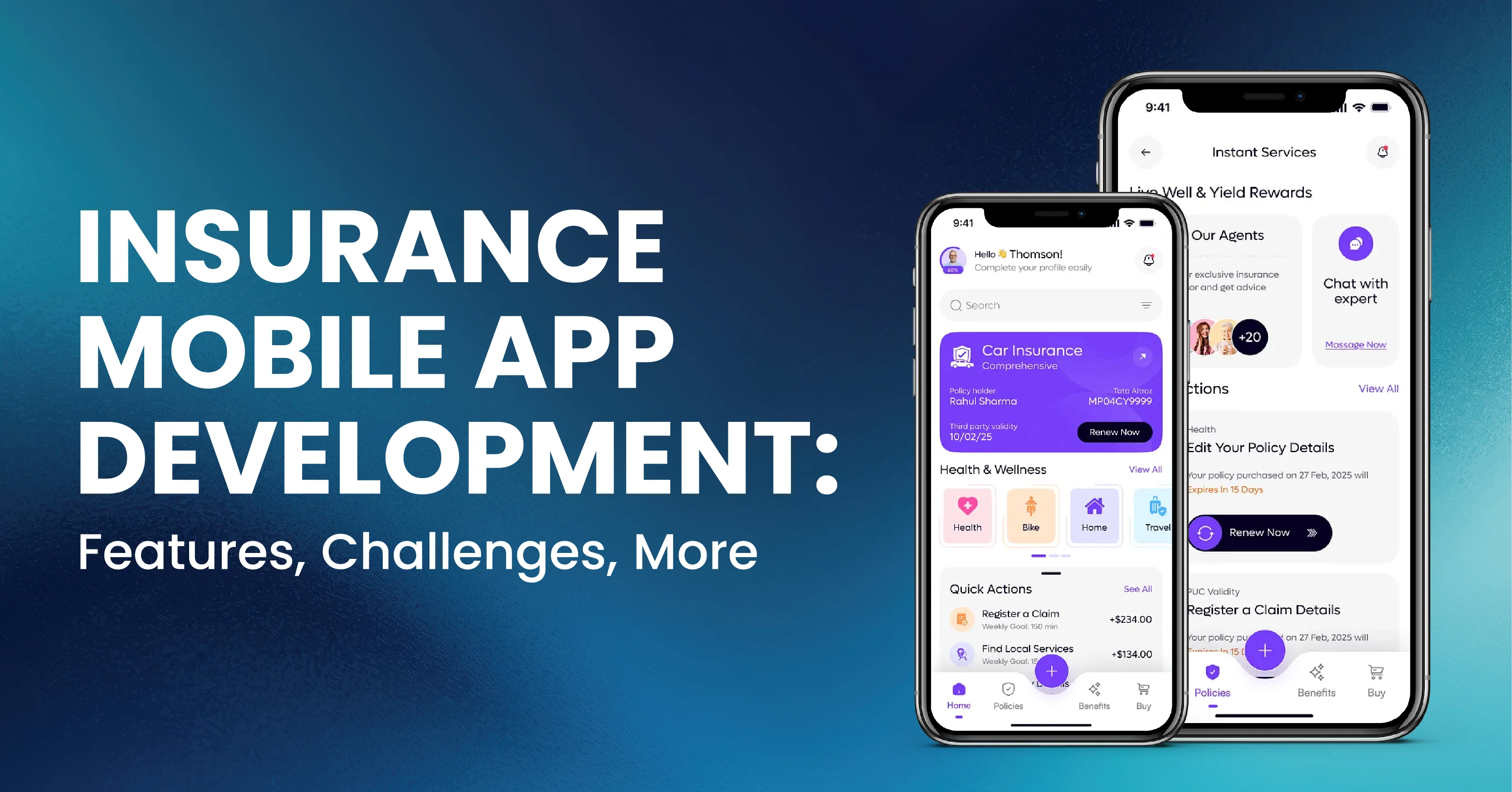
The insurance industry is undergoing a fundamental shift. Customers now expect the same seamless, mobile-first experiences from their insurance providers that they receive from banks, e-commerce platforms, and fintech apps.
This shift has made insurance mobile app development not just a competitive advantage, but a necessity for insurers, agents, and brokers who want to stay relevant.
Whether you are a health insurer modernizing policy management, a carrier streamlining claims, or an agency looking to improve customer engagement, a well-designed mobile app can transform how your business operates.
This guide explains why mobile apps matter in insurance, what challenges companies face, and how to build secure, scalable, and user-friendly insurance applications that truly serve both customers and internal teams.
Mobile usage is no longer optional — it is the default. Policyholders want to check coverage details, file claims, upload documents, and get support without phone calls or paperwork.
From my experience working with digital teams in regulated industries, the most successful insurance companies are those that treat mobile apps as core infrastructure, not as an afterthought or “digital add-on.”

Key reasons insurance mobile apps are critical today:
In short, mobile apps help insurers move from reactive service to proactive, customer-centric experiences.
Insurance is not a one-size-fits-all industry. Different lines of insurance require different app capabilities, workflows, and integrations. Insurance mobile apps vary depending on users and business needs. Let’s look at the four common types.
Let’s now look at the potential real-life examples from two of the above types.
Health insurance apps focus on usability, transparency, and compliance. They belong to consumer-focused apps. Common features include:
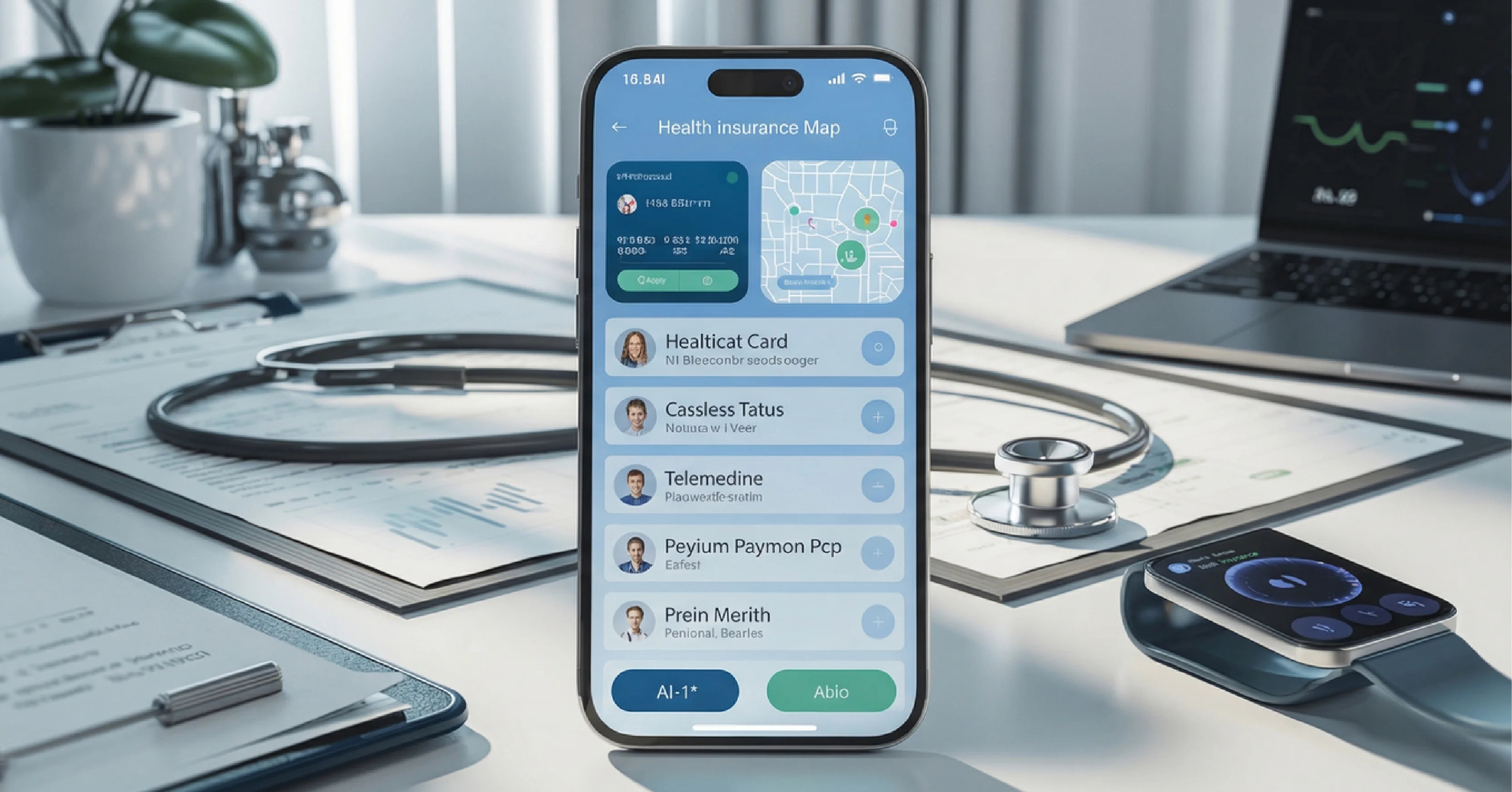 A health insurer I worked with saw a 40% drop in support calls after launching a mobile app that simplified claims tracking and policy explanations.
Auto insurance apps prioritize speed and real-time interaction, especially during accidents. Key capabilities often include:
 These apps not only improve customer experience but also reduce fraud and speed up claims processing.
Agents and brokers need tools that support productivity and relationship management. Effective agent apps provide:
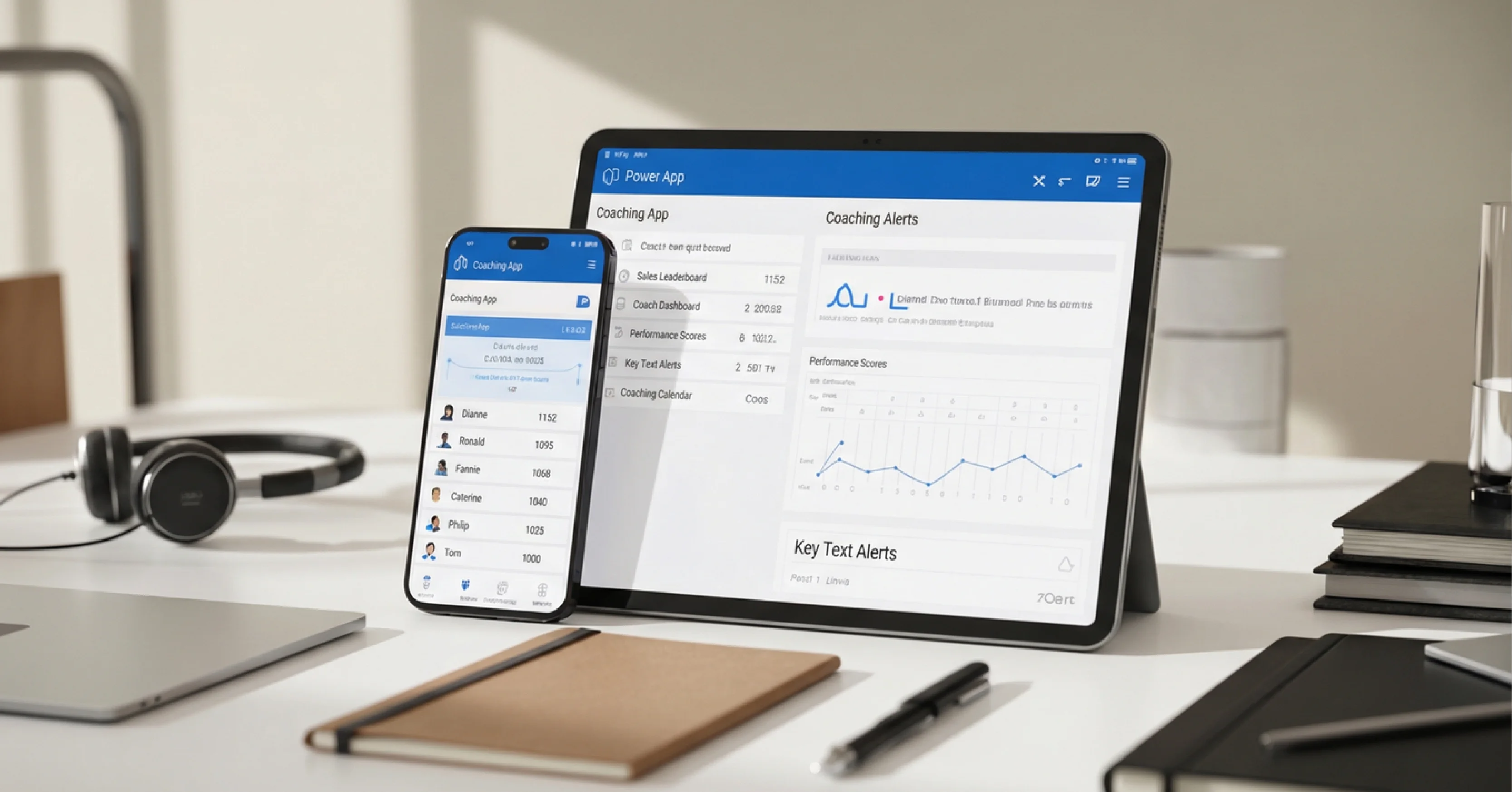 This is where mobile app development for insurance agents and brokers becomes a revenue-enabling tool, not just a convenience.
Read more: Mobile App Development Consulting
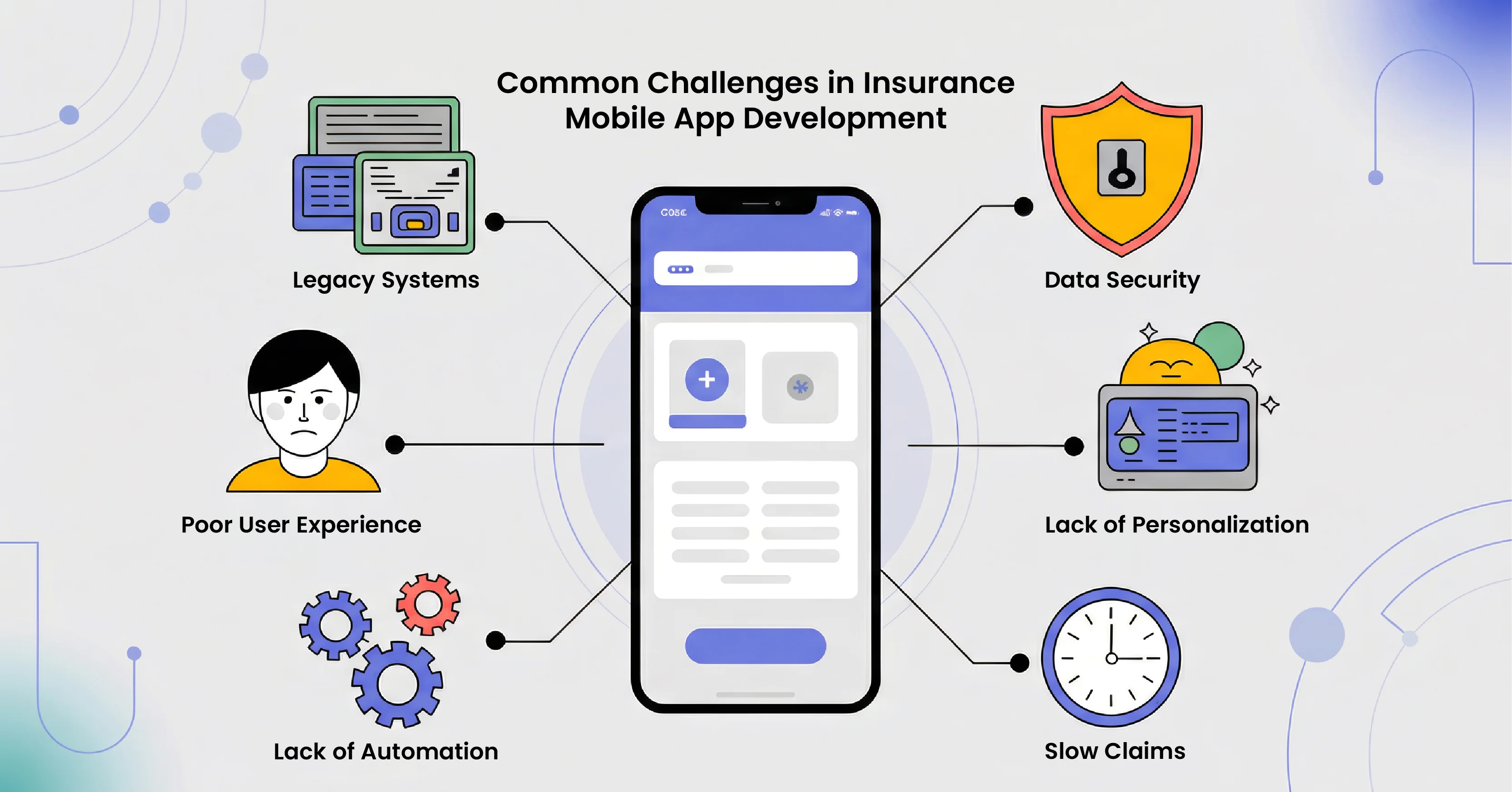
Despite the clear benefits, many insurance companies struggle with mobile adoption. Let’s break down the most common pain points in non-technical terms.
Most insurers rely on decades-old core systems built long before mobile apps existed. These systems weren’t designed to “talk” to modern apps easily.
The result: Slow integrations, data silos, and limited app functionality.
The solution: A modern insurance mobile app development service uses APIs and middleware to connect mobile apps with legacy systems without disrupting existing operations.
Many insurance apps fail because they copy internal processes instead of designing for real users. Common UX issues include:
Good insurance apps focus on clarity, speed, and simplicity, not internal complexity.
Insurance apps handle extremely sensitive data — health records, financial details, identity documents. Decision-makers often fear:
A professional mobile app development firm for insurance builds security into the foundation, not as an afterthought — covering encryption, access control, audit trails, and regulatory compliance from day one.
Manual or semi-digital workflows create delays, errors, and frustration. Mobile automation can:
Customers don’t just want fast claims — they expect transparency throughout the process.
Modern users expect apps to understand their needs. Yet many insurance apps still lack:
Personalization isn’t a luxury anymore — it is a baseline expectation.
A successful insurance app balances usability, security, and scalability.
This is where mobile app development for insurance brokers and agents creates measurable business value.
Selecting the right technologies is vital for performance, scalability, and security:
You may also want to read: Best Mobile App Development Languages | How to Choose the Right One?

The cost of building an insurance app varies widely based on features, platform, and complexity. Typical cost ranges are as follows.
Costs can differ based on region, developer rates, technology choices, and whether you build native or cross-platform solutions.
Plan for yearly updates, bug fixes, and regulatory changes — often 10-20% of initial development cost.
To build trust and long-term success, insurance app development must follow proven best practices.
Apps that are easy to use are apps that get used.
Modern insurance apps must integrate with:
Integration capability often determines whether an app succeeds or fails.
Advanced insurance apps use:
Automation reduces costs while improving customer satisfaction.
 Read more: Healthcare Mobile App Development
Choosing the right partner is as important as the app itself. When looking to hire the best insurance mobile app developer, focus on:
A reliable insurance mobile app development service provide like KodersPoint acts as a long-term technology partner — not just a vendor.
One mid-size insurer I observed moved claims filing fully into their mobile app. Within six months:
This is the real value of thoughtful insurance mobile app development — measurable results, not just modern interfaces.
The insurance industry is no longer defined by paperwork and call centers. It is being reshaped by digital experiences that prioritize speed, transparency, and trust.
Investing in insurance mobile app development is not about following trends — it is about meeting customer expectations, improving operational efficiency, and building a future-ready insurance business.
Whether you are focused on health insurance mobile app development, car insurance mobile app development, or tools for agents and brokers, the right strategy and development partner can turn complexity into clarity — and technology into a competitive advantage.

Let's talk about your tech solutions.