Mobile apps today are far more than attractive user interfaces — they are complex digital ecosystems powered by robust backend infrastructure.
Whether you are building a social platform, e-commerce app, fintech product, or SaaS solution, mobile app backend development plays a critical role in performance, scalability, and user experience.
This comprehensive guide will help founders, product managers, and decision-makers understand how backend systems work, what technologies to choose, and how to avoid costly mistakes.
What Is Mobile App Backend Development?
Mobile app backend development refers to building the server-side infrastructure that powers a mobile application behind the scenes. While users interact with buttons, screens, and animations on the frontend, the backend handles:
 Think of the backend as the engine of a car — invisible to passengers but essential for movement.
When a user logs into a food delivery app:
All of this happens within milliseconds thanks to backend engineering.
Many non-technical founders underestimate backend importance until problems arise. A strong backend ensures:
Ignoring backend strategy early often leads to expensive rebuilds later.

Understanding backend components removes much of the technical confusion founders experience.
Servers process requests from mobile apps and return responses. Types of servers used:
Modern apps often combine multiple server types for efficiency.
Databases store app data such as users, orders, messages, and media metadata. Common database categories are as follows.
Choosing the right database directly affects scalability and performance.
APIs act as communication bridges between mobile apps and backend systems. They allow mobile apps to:
REST and GraphQL are popular API architectures used in backend development for mobile apps.
Authentication verifies user identity, while authorization controls access. Typical approaches include:
Security weaknesses here can expose entire systems.
Most modern mobile app backend development services rely on cloud platforms for:
Cloud infrastructure eliminates the need to maintain physical servers.

Here is a complete step-by-step process.

Choosing a stack is one of the biggest decision challenges.
Each technology choice impacts hiring, cost, scalability, and speed to market.
Here is what you should be well aware of:
Many founders struggle to visualize backend functionality.
Solution: Use architecture diagrams and API documentation early.
Traffic spikes during product launches can crash poorly designed backends.
Solution: Adopt cloud auto-scaling and stateless services.
APIs, authentication flows, and data storage are common attack vectors.
Solution: Implement encryption, token validation, and security audits.
Modern apps rely on multiple third-party services.
Solution: Use integration middleware and standardized API gateways.
Stack decisions influence long-term costs and hiring difficulty.
Solution: Align tech choices with product complexity and growth roadmap.
Mobile app development companies’ backend frontend integration strategy determines product success.
Poor integration results in:
Strong integration practices include:
A marketplace startup initially built its backend with a monolithic architecture for speed. After gaining traction, performance issues emerged during peak usage.
They transitioned to microservices with:
Result:
This demonstrates how backend strategy evolves with growth.
Hiring a mobile app backend development company is beneficial when:
Look for providers with:
Here is what you should consider:
Businesses adopting these trends gain competitive advantages.
Mobile app backend development is not just a technical necessity — it is a strategic investment that determines product scalability, reliability, and long-term success.
For startups and businesses planning mobile products, focusing on backend architecture early helps avoid technical debt, security risks, and performance bottlenecks.
Whether you build internally or partner with mobile app backend development services, understanding backend fundamentals empowers better decisions, smoother launches, and sustainable growth.
How to develop backend for mobile apps?
Start with architecture planning, design databases, build APIs, implement business logic, integrate services, and deploy with monitoring.
What backend do mobile apps use?
Mobile apps use diverse backends including custom servers, cloud platforms, microservices, and Backend-as-a-Service solutions.
Can ChatGPT 4 build an app?
AI tools can assist with code generation, architecture ideas, and debugging, but production apps still require engineering oversight.
What language is used in mobile app development backend?
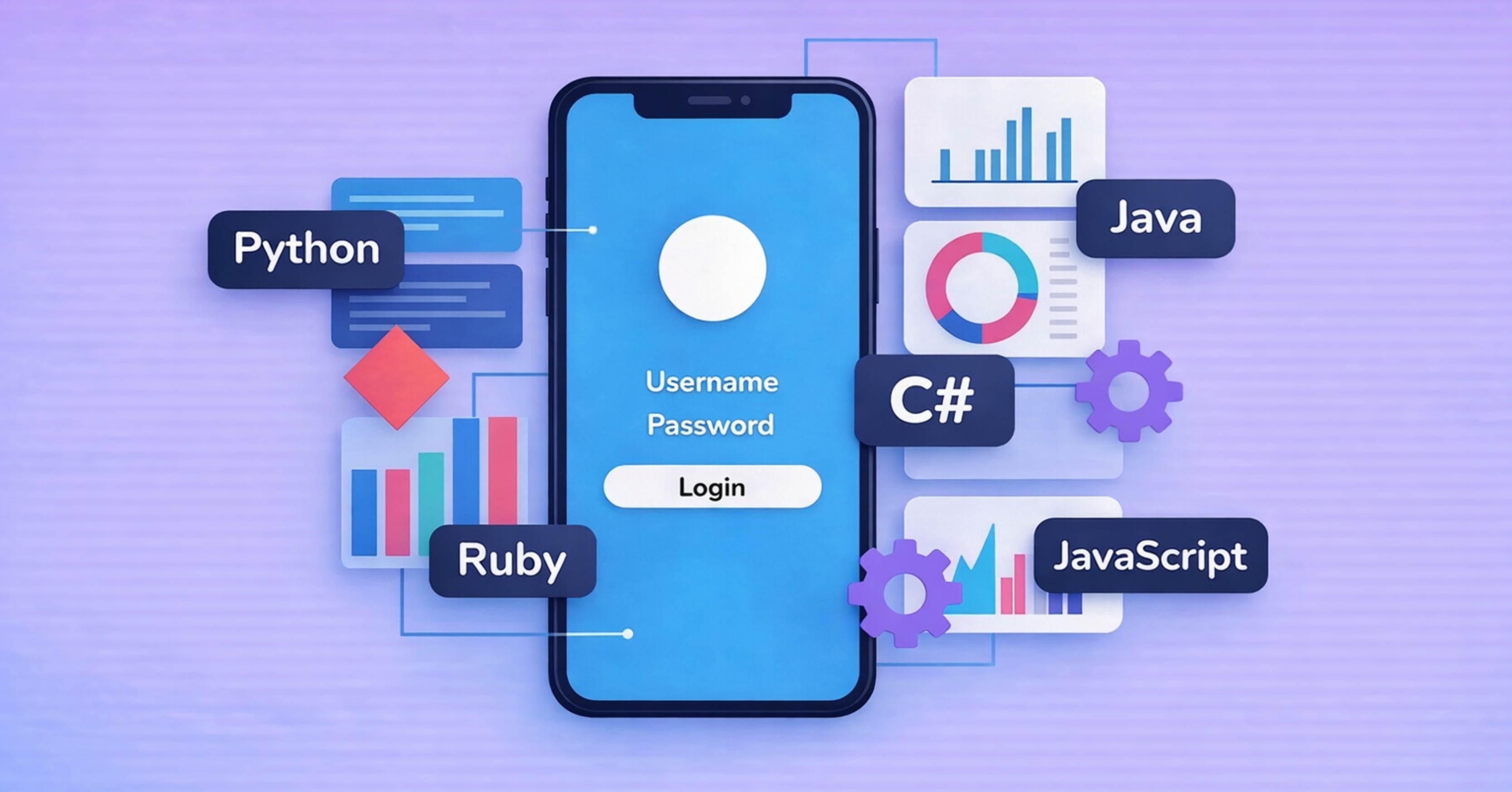
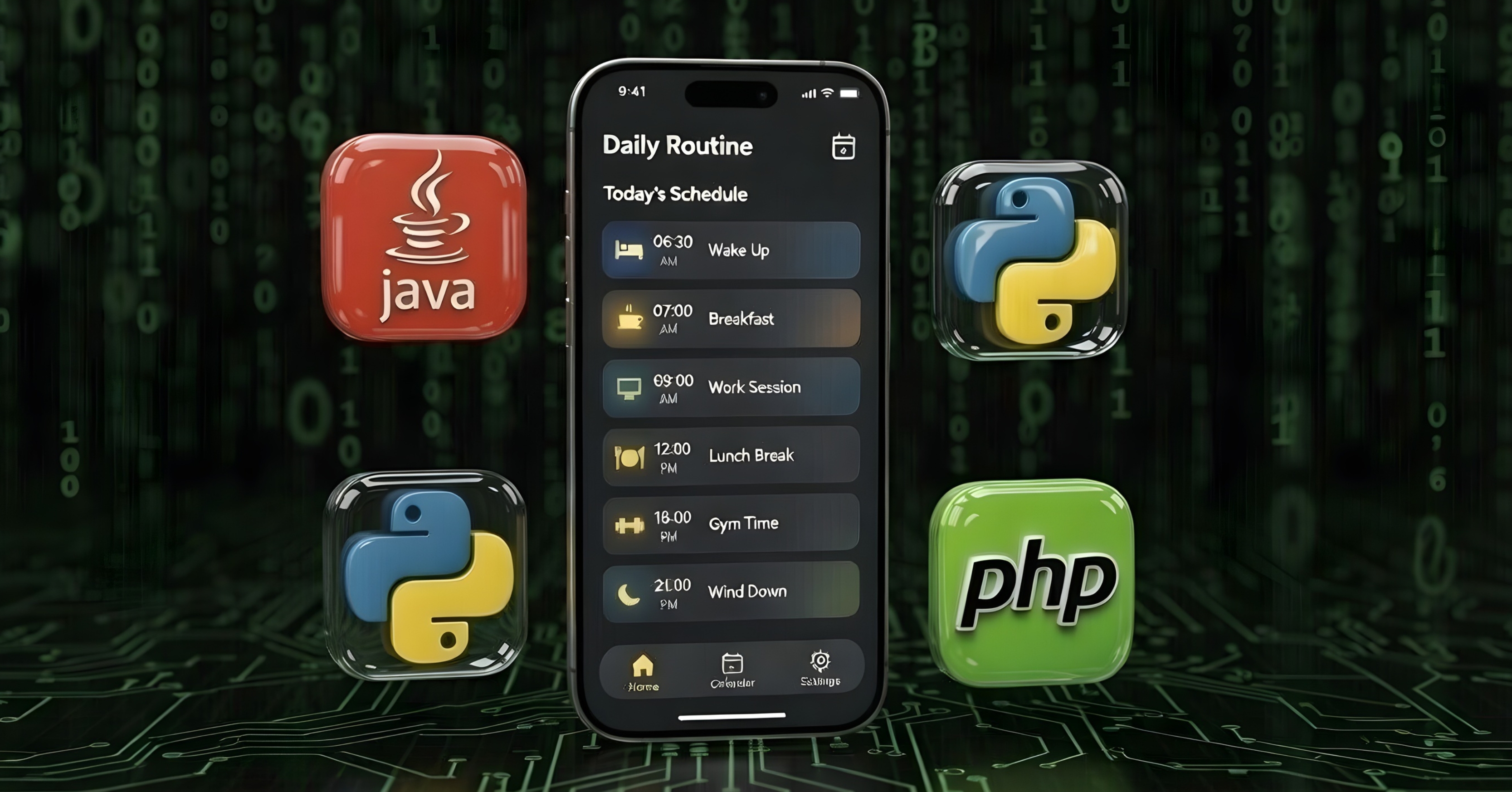
Common backend languages include JavaScript, Python, Java, Kotlin, PHP, and Go.
Can I learn the backend in 1 month?
You can learn fundamentals in a month, but mastering backend development requires continuous practice and real projects.
Is Firebase a backend?
Yes, it is a Backend-as-a-Service platform offering databases, authentication, and hosting.
How to build a backend application?
Define requirements, design data models, implement APIs, add authentication, integrate services, test thoroughly, and deploy

Let's talk about your tech solutions.